

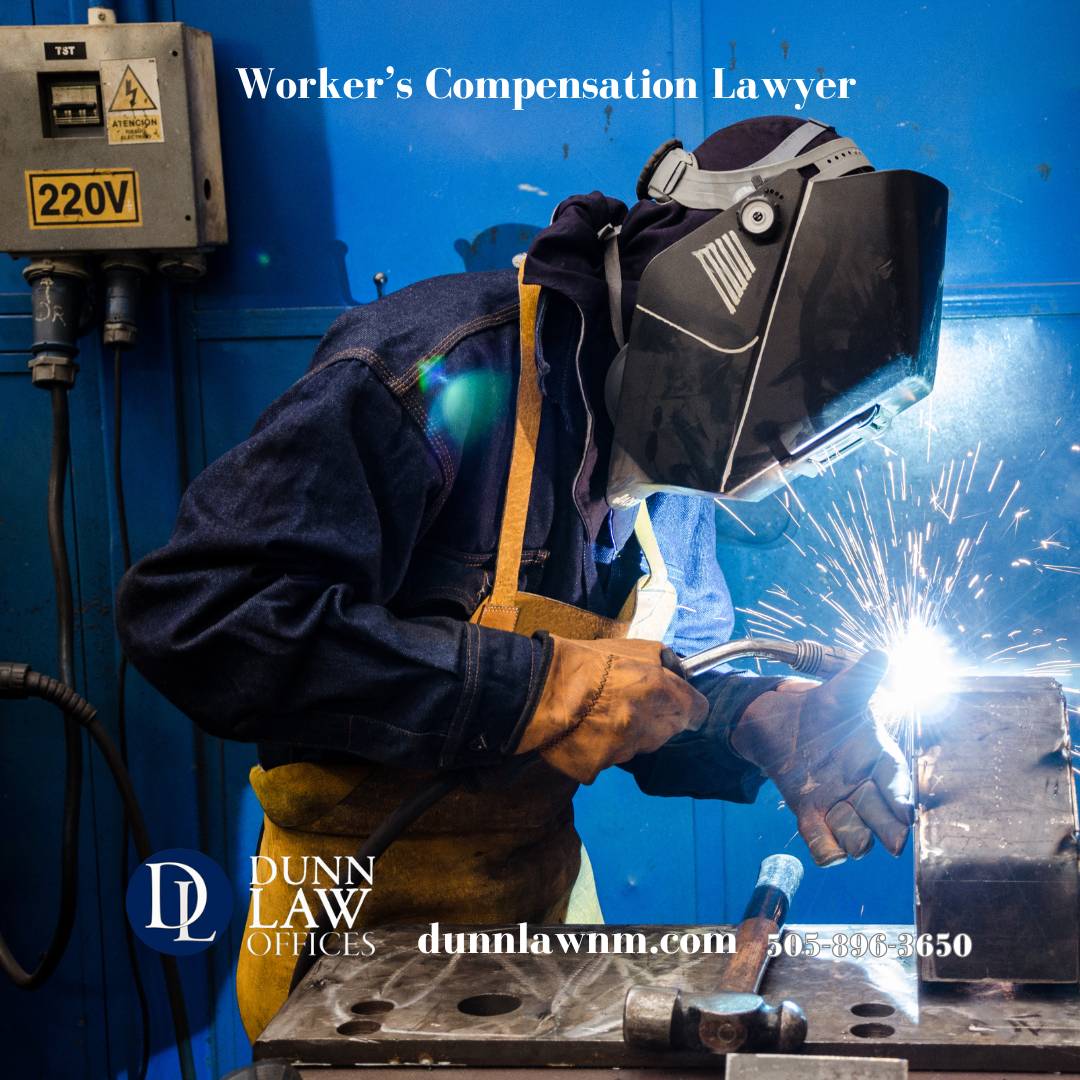
Summer is one of the busiest seasons for New Mexico workers, and one of the most dangerous. As the heat builds and a holiday weekend gets closer, people get tired, deadlines get tighter, and small mistakes turn into real injuries. This guide explains the work injuries we see most often during the summer months, what New Mexico law says about your rights, and the exact steps to protect yourself if you get hurt on the job.
It’s late July in Albuquerque. A roofing crew has been on the same job since 6 a.m., trying to finish before the long holiday weekend. By early afternoon the temperature is past 100 degrees. One worker is light-headed and worn out. He misses a rung coming down the ladder and lands hard on his shoulder. He tells himself it’s nothing—he doesn’t want to slow the crew down right before vacation—so he keeps working. Two days later, he can barely lift his arm.
That is how a lot of summer injuries happen in New Mexico. Not with one dramatic accident, but with heat, fatigue, and the pressure to push through. If that sounds familiar, you are not alone, and you have options.
Why Summer Raises the Risk on the Job
Construction, oil and gas, roadwork, warehouse work, and agriculture all pick up in the summer. The days are longer, the schedules are fuller, and the New Mexico sun does not let up. When workers are tired and already thinking about a few days off, reaction times slow and focus slips. That combination is exactly when injuries tend to climb.
The Most Common Summer Work Injuries We See in New Mexico
1. Heat Illness (Heat Exhaustion and Heat Stroke)
Heat is the leading cause of weather-related deaths in the United States, and New Mexico’s climate makes outdoor and non-air-conditioned jobs especially risky. Early warning signs include heavy sweating, dizziness, headache, nausea, and muscle cramps. Heat stroke is a medical emergency: confusion, fainting, hot and dry skin, and a very high body temperature. Heat illness can be a covered work injury, and severe cases can cause lasting harm.
2. Falls From Ladders, Scaffolding, and Roofs
Heat and fatigue affect balance and concentration. A worker who is overheated or worn down is more likely to misstep on a ladder, scaffold, or rooftop. Falls are among the most serious injuries we handle because they often involve broken bones, back injuries, or head trauma.
3. Dehydration and Fatigue-Related Accidents
When you are dehydrated and tired, your judgment and reflexes slow down. That raises the risk of accidents with tools, heavy equipment, and machinery—especially late in a long shift before a day off.
4. Overexertion, Strains, and Sprains
Lifting, carrying, and repetitive motion in high heat put extra stress on the body. Back strains, shoulder injuries, and pulled muscles are common, and they can sideline you for weeks if they are not treated early.
5. Vehicle and Equipment Accidents
Many New Mexico jobs involve driving or operating equipment. Summer traffic, glare, long hours, and fatigue all add to the risk for anyone who drives or runs machinery as part of their work.
A Quick Note on Heat Rules
Federal regulators have proposed a national heat-safety standard for indoor and outdoor work, but as of 2026 it has not been finalized. Even without a final rule, employers still have a general duty to provide a reasonably safe workplace. More important for you: New Mexico workers’ compensation is a no-fault system. You generally do not have to prove your employer did anything wrong to receive benefits for a work-related injury or illness.
What New Mexico Law Says About Your Rights
New Mexico workers’ compensation is designed to cover medical care and a portion of lost wages when you are hurt on the job. A few key points matter most when you are injured:
- Report quickly. Under New Mexico law (Section 52-1-29), you generally must give your employer written notice of a work injury within 15 days. Waiting too long can put your benefits at risk.
- You have a deadline to file. If your claim is denied or your employer refuses to pay, you generally have one year from that point to file a formal claim (Section 52-1-31). That window can close faster than people expect.
- You have a right to medical care. Workers’ compensation should cover reasonable and necessary treatment for your work injury, and rules apply to how the treating doctor is selected.
If you were hurt on the job this summer in Albuquerque or anywhere in New Mexico, you can talk through your situation with our team in a free, no-pressure consultation. Call [Insert firm phone number] or request a consultation online.
What to Do If You’re Injured at Work This Summer
If you are hurt on the job, taking the right steps early can protect both your health and your claim:
- Get medical attention. Even minor-seeming injuries can get worse. Tell the provider exactly how the injury happened at work.
- Report the injury to your employer. Notify a supervisor or manager and put it in writing—within 15 days. Keep a copy.
- Document everything. Save dates, names of witnesses, photos, medical paperwork, and any written communication.
- Follow your doctor’s instructions. Attend appointments and follow your treatment plan so there are no gaps in your care.
- Be careful on social media. Insurers may review your accounts. Avoid posting about the injury, your activities, or your case.
- Get advice early. If your injury is serious, your claim is delayed, or it is denied, talk with a New Mexico workers’ compensation attorney before deadlines pass.
What If Your Claim Is Denied?
A denial is not always the end of the road. Claims get denied for many reasons—paperwork issues, disputes over whether the injury is work-related, missed deadlines, or simple insurer pushback. Remember that the insurance company works for your employer’s insurer, not for you. If your workers’ comp claim was denied, you generally have one year to act, and it is worth understanding your options before that window closes.
We also help workers who feel they are being treated unfairly after reporting an injury. New Mexico law prohibits retaliating against an employee for filing a legitimate workers’ compensation claim.
Not sure whether your summer injury qualifies, or whether a denial can be challenged? Dunn Law NM helps injured New Mexico workers understand their rights. Reach out for a free consultation and we will give you a straight answer about where you stand.
Frequently Asked Questions
Is heat stroke covered by workers’ compensation in New Mexico?
Heat-related illness that happens because of your job can be a covered work injury. As with any claim, the details matter, including how and where the illness occurred and how quickly it was reported and treated.
How long do I have to report a work injury in New Mexico?
You generally must give your employer written notice within 15 days of the injury under Section 52-1-29. Reporting in writing and keeping a copy helps protect your claim.
What if my employer says the accident was my fault?
New Mexico workers’ compensation is a no-fault system. In most cases you do not have to prove your employer was at fault to receive benefits for a work-related injury.
Do I need a lawyer for a workers’ compensation claim?
Not every claim needs an attorney. But if your injury is serious, your benefits are delayed, or your claim is denied, getting advice early can help you avoid mistakes and missed deadlines.
My claim was denied. Is it too late?
Not necessarily. If your claim was denied or your employer refused to pay, you generally have one year from that point to file a formal claim. The sooner you review your options, the better.
Hurt on the job in New Mexico? Call [Insert firm phone number] or schedule your free consultation. There is no obligation, and we will explain your options in plain terms.
Disclaimer: This article is for general informational purposes only and is not legal advice. Reading it does not create an attorney-client relationship. Workers’ compensation laws and deadlines are specific to each situation and can change. For advice about your circumstances, consult a licensed New Mexico attorney.